

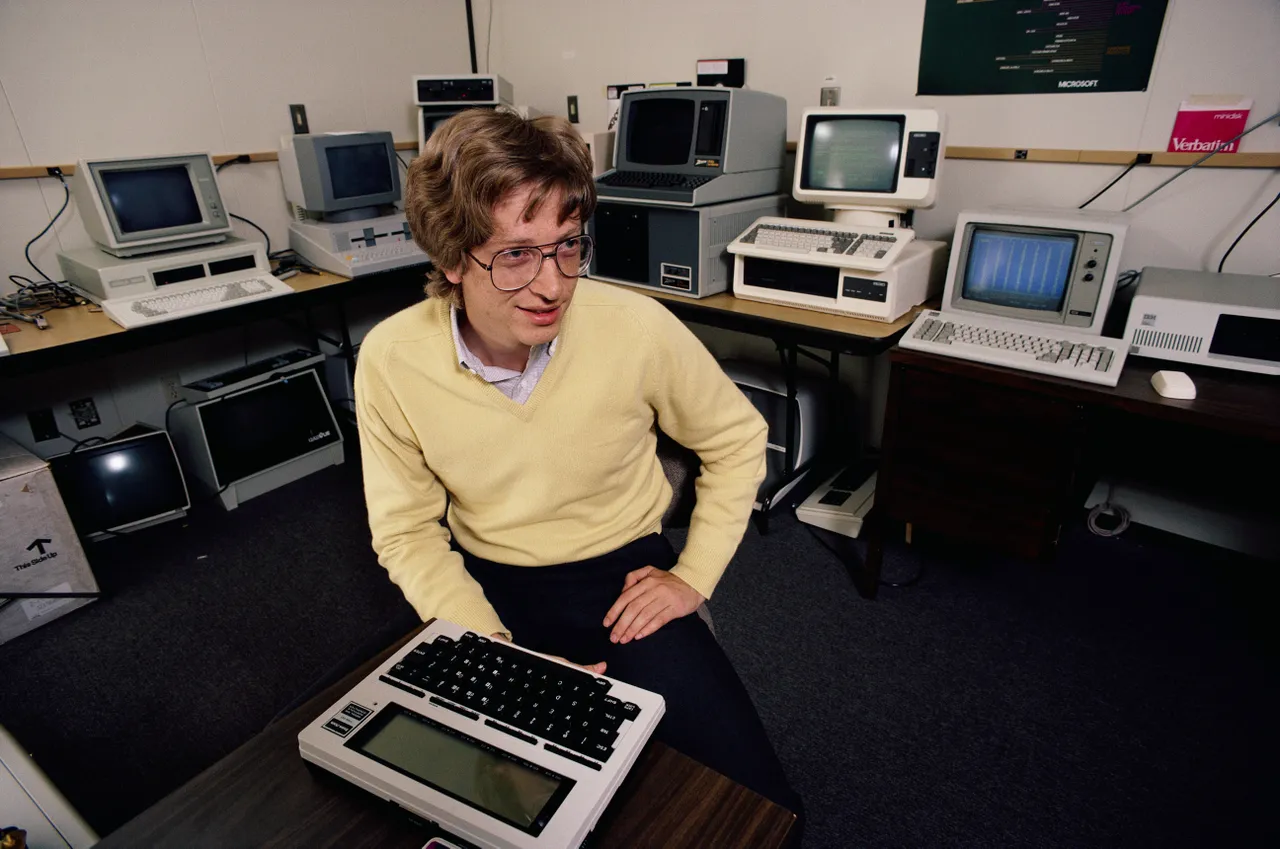
In this news report on Karina Web, we are going to review an important event in software history. Microsoft has released the source code for its first programming language, Microsoft BASIC, as open-source. This language, which was developed between 1976 and 1978, was first known as Altair BASIC and was designed for the 6502 microprocessor. This processor was used in popular computers such as the Apple II and Commodore 64.
If you, like many people, dealt with computers in 1975, you must be familiar with the MITS Altair 8080, the first personal computer. To build software on it, Altair BASIC was used. This language was written by two college dropouts named Bill Gates and Paul Allen. They then founded a company called Micro-Soft to sell it, which you now know as Microsoft.
Why Is This Code Important?
The release of this code is not just a symbolic move, but it has been done because of its historical importance. This code is considered the cornerstone of the modern software industry, and the business models and patterns that were used in it had a direct impact on the following:
- The development of MS-DOS and subsequent Microsoft operating systems: This language paved the way for Microsoft’s future operating systems.
- Standardization of programming languages: It helped determine the standards for the implementation of programming languages.
- The foundation of the software license business model: It played a key role in the formation of the business model based on selling software licenses.
- The popularization of computer programming: Microsoft BASIC was one of the first languages that the general public became familiar with, and for this reason, it is considered an important turning point in the history of computers.
From Gates’s Opposition to an Open Embrace of Open Source
It may be interesting that in 1976, Bill Gates was strongly against the free use of software and in a famous letter, he called the use of software without payment theft. But after nearly 50 years, Microsoft has changed its policy and has become one of the biggest supporters of open-source software. In recent years, this company has also open-sourced its classic products such as MS-DOS 4.0, the GW-BASIC interpreter, and the Windows Calculator.
Even though MS-BASIC is no longer in serious use, its legacy is still alive in more modern languages such as Visual Basic .NET. This language, with only 6,955 lines of assembly code, offered advanced capabilities including memory management, support for FOR loop variables, and string management, and many programmers got their first taste of coding with it.
Source: github.com